leaving the city
too many years spent romanticising rural towns before living out a real life bush noir life.

I’m currently re-reading a novel called Thirst for Salt, about a mother and daughter who move down the coast for a summer. It’s a beautiful exploration of their relationship, at a moment when life is opening up for the daughter while doors are beginning to close for the mother.
The daughter meets someone and moves to a tiny beach town to be with him, escaping the drudgery of city life. From the opening page, we know the romance won’t last — she’s telling the story from her late thirties, looking back on this formative period. The novel is as much about her love for Jude (older, rugged, emotionally distant) as it is about the landscape and small-town existence: wild oceans, rocky cliffs, eucalyptus trees, a quieter life free from the social obligations of Sydney.
I love novels about young people leaving the city and finding a life in small beachside towns. There’s something about the transience of these places that makes them the perfect setting. What’s left after the summer swell subsides — the tourists gone, the shops shuttered, winter rolling in?
In all my favourite novels of the genre — Shelter in Place, To Heaven on Earth, Breath — these towns are a stepping stone, an interregnum. The characters are first drawn to the lifestyle, then find themselves consumed and almost destroyed by it. The menacing undercurrent (think Twin Peaks or Wake in Fright) eventually surfaces and drives them out.
There’s a loneliness and a brooding humility that comes from being a small outcrop of humanity set against an unforgiving landscape. You’re always aware you’re at nature’s mercy, and it breeds strange characters (the most recent example is the lady in Leongatha who poisoned her husband’s family and the local Vicar with death cap mushrooms).
Growing up in a small town, I was surrounded by weirdos, freaks, and criminals. There was Shaky Max, so called because his alcoholism caused him to start visibly shaking by midday. He was a known snow-dropper and was often found in backyards stealing women’s underwear — a phrase I knew well before I understood what it meant. Then there was the sheep farmer down the road, a former schoolteacher and paedophile, defended in town because his wife was an “upstanding member of the community.” There was the Christian cult up in the mountains, where cousins married cousins and abuse was rife but no one knew what to do. And of course there were the drunks, wife beaters, crooked cops, and more.
Because it was such a small town, everyone knew everyone else’s business, and in order to preserve civility, misdeeds and crimes were too often overlooked. It drove me mad.
I can now see — not to excuse any of the behaviour — that these people were shaped by their environment, both social and physical. Endless baking summers, plants crisping under a brutal sun, broken only by storms and bushfires. In winter, wild weather battered us, punctuated by crackling mornings with frosts so thick you had to leave the car running for ten minutes before driving. It was a lonely life, and too much time in your own head, with only alcohol and TV for distraction, can ruin a person.
And I got off easy growing up there. The towns out on the flats were truly bleak — meth cookers blowing up houses, (dis)organised crime rings running wreaking havoc. In some, suicide was the leading cause of death; in others, bored teenagers drank themselves out of their minds and caused havoc: sexual assault, violence, car crashes.
I couldn’t wait to leave. When I fled to the city, kids from towns like mine clustered together. We met at gigs, parties, uni. Like magnets, we sought each other out, laughing about our lives back there and swearing we’d never return.
We went harder at life than our city-raised comrades. We relished what they took for granted: anonymity, nightlife, the thrill of new people to party with, make music with, fall in love with, create art with, fuck.
Yet the lure of country life never truly left. It felt as though a shard of rural Australia was lodged inside me, impossible to dislodge — a homing beacon that would, at different points, wake up and pull me away from the city.
This curiosity bubbled away for years before finally catching up with me. It had been a brutal year in the city — a suicide, an overdose, the disintegration of a friendship group. Alongside a growing boredom and malaise with work and life, it led my partner and me to wonder whether we needed a change.
At the same time, a bunch of friends began drifting toward a small town nestled in the foothills of the mountains, all of them wanting to create something.
Land was (relatively) cheap. Some had bought farmland; others planned to start a cafe that would double as a community and creative hub. A few just wanted to make art and pay less rent.
We decided it was worth trying. It had been a cold summer, and we were sick of endless grey skies, draughty mouldy terraces, and frustrating share houses. We found a cheap shack — emphasis on shack — on the edge of town, with a bit of land, and bought it for basically nothing. Renovating it would mark the beginning of our idyllic country life.
It was exhilarating. Our lives, which had felt stuck in an eddy, were back in the main current. We had direction again.
We spent months turning the old logger’s cottage into something we wanted to live in — tearing down walls, putting in windows, ripping up carpet, painting, sanding floorboards. A friend who was a carpenter, after years building sets for plays and films, helped us build a kitchen and bathroom.
I felt like I was in my element. We were big fish in a small pond, and it was invigorating. We picked up work editing the local paper, and I spent my days getting paid to work on sustainability projects — meeting farmers and helping them think through how to adapt to a changing climate. At night, groups of us gathered at each other’s houses to figure out what we wanted to do next.
We formed book clubs, activist spaces, arts events, local food initiatives. Momentum was behind us and it all felt wholesome — a little too wholesome. Even then, with energy and excitement carrying me along, something about it unsettled me.
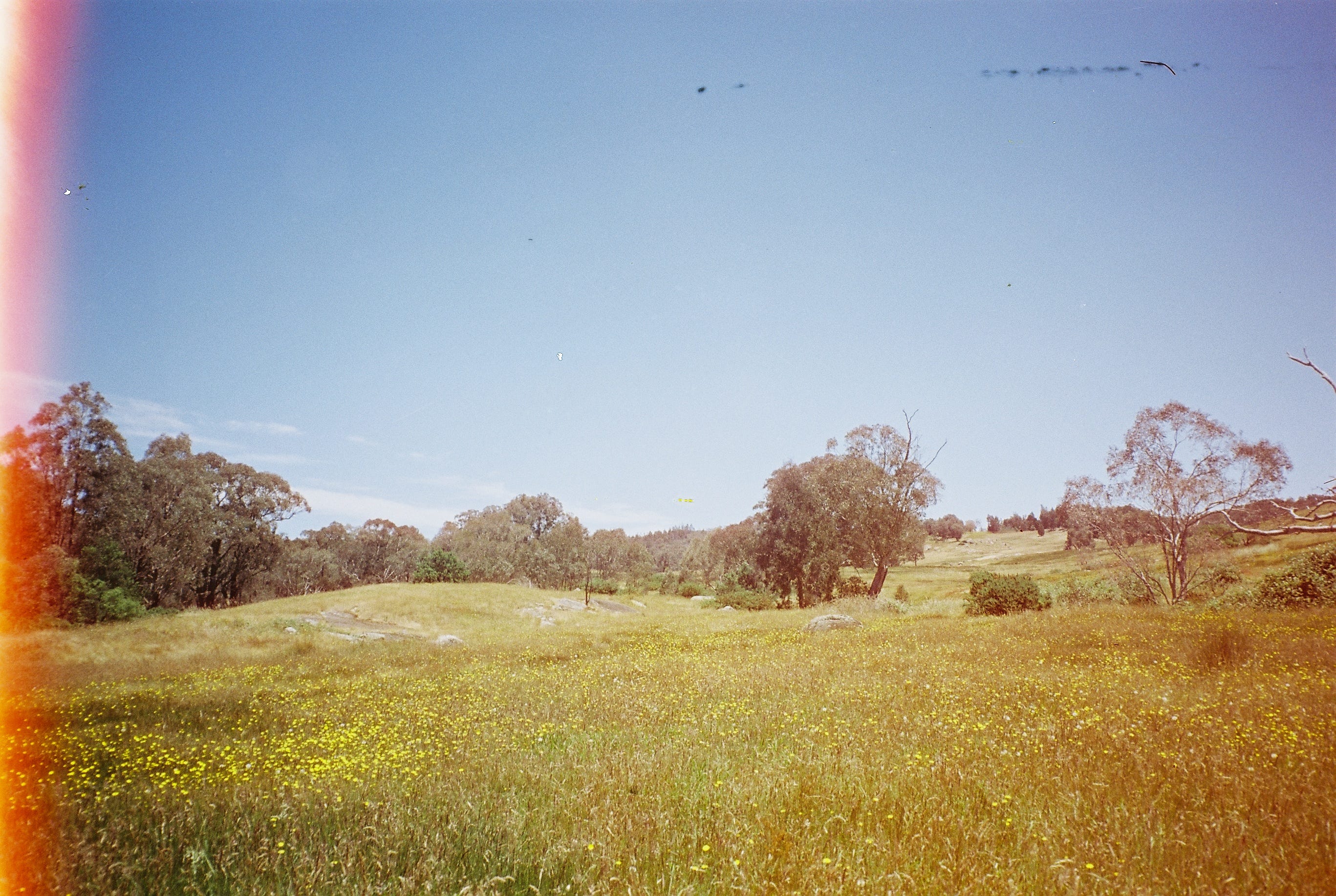
On weekends, I worked on turning the little patch of land into a verdant garden. I planted hundreds of native trees and grasses around the perimeter, transforming the centre into an orchard and an enormous vegetable patch. By spring, the house was finished and our shack had been transformed — exposed timber beams, polished hardwood floors, huge windows looking out over the hills, a fireplace, and a bathroom where the bath opened onto the outside.
It was so small it was easy to keep warm in winter. Friends would come up from the city and refuse to leave.
The seasons turned, and as summer unfolded it felt like everything was coming together. A and I were in a much better place than when we left the city — it’s hard to make space for loving someone else when your inner world is roiling with tumult. I was reading more than ever before. For the first time, my life seemed to have intention, rather than being buffeted along by forces outside my control.
At the same time, a sense of claustrophobia would sometimes overtake me. We were in a valley, hemmed in by hills and dense bushland, and on some days I could feel it pressing against me. The culture of small town Australia is restrictive in much the same way.
Men socialised with men, women with women. It was all deeply hetero. Even the gay couples who moved up found themselves pulled into these more traditional structures. I’ve never been good at socialising only with men, yet here I was, spending most days with them. They were good men — men whose self-conception was that they were “good men.”
I was starting to chafe.
At the same time, our garden ripened, and every night we sat outside — sometimes just the two of us, more often with friends — eating plate after plate of food we’d grown ourselves. Tomato pasta made with eggs from the chickens and an endless supply of tomatoes. Lettuce, cucumber, beans, peas.
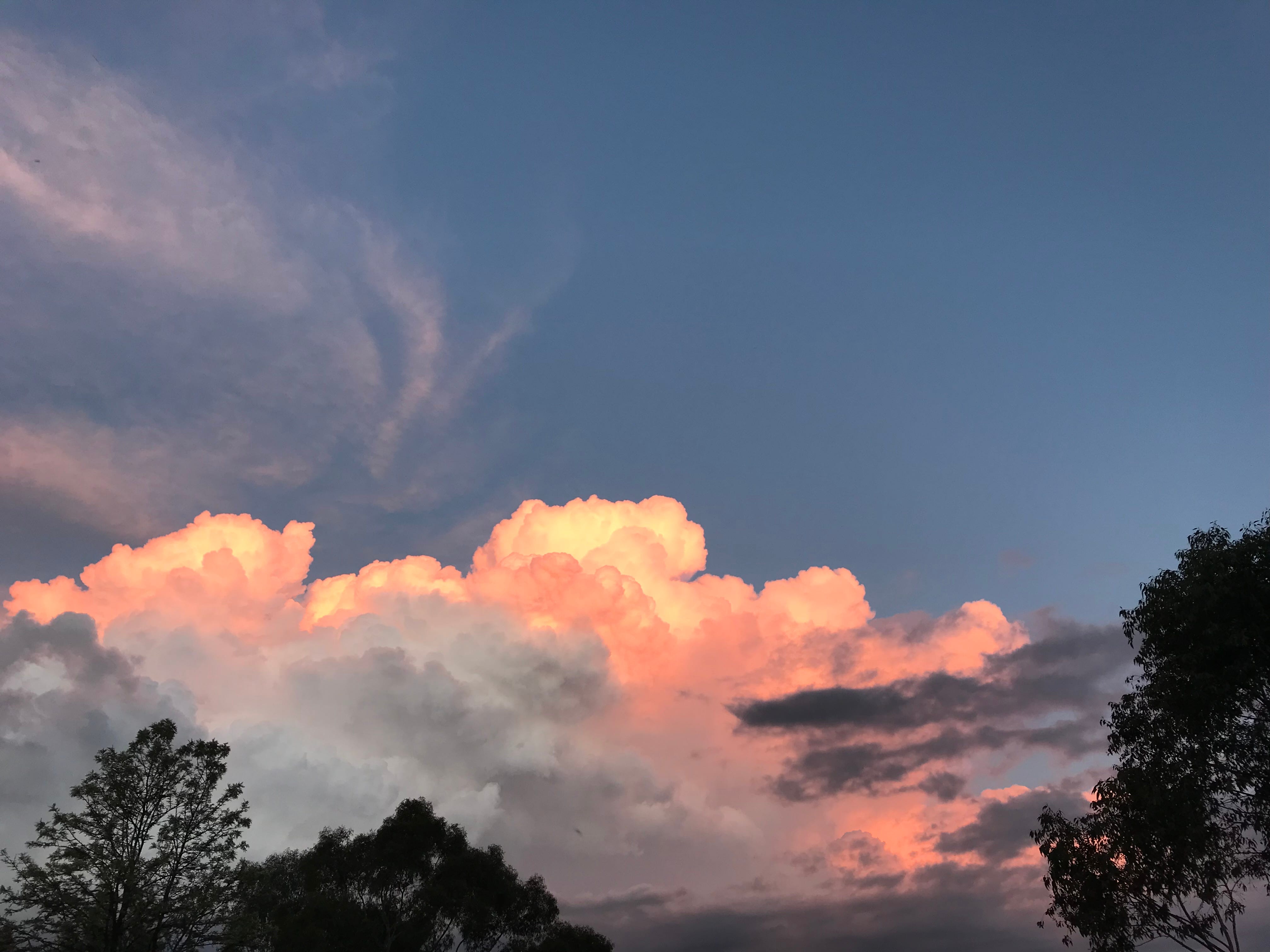
Unlike the fickle weather of the city, the evenings stayed warm until midnight. Night after night, sitting out there, sunsets unfolded in a blaze of oranges, pinks, and pastels. I’d run along the creek without a shirt, feel sweat trickle down my naked skin, bugs crashing into me, and laugh at the fact that this was my life.
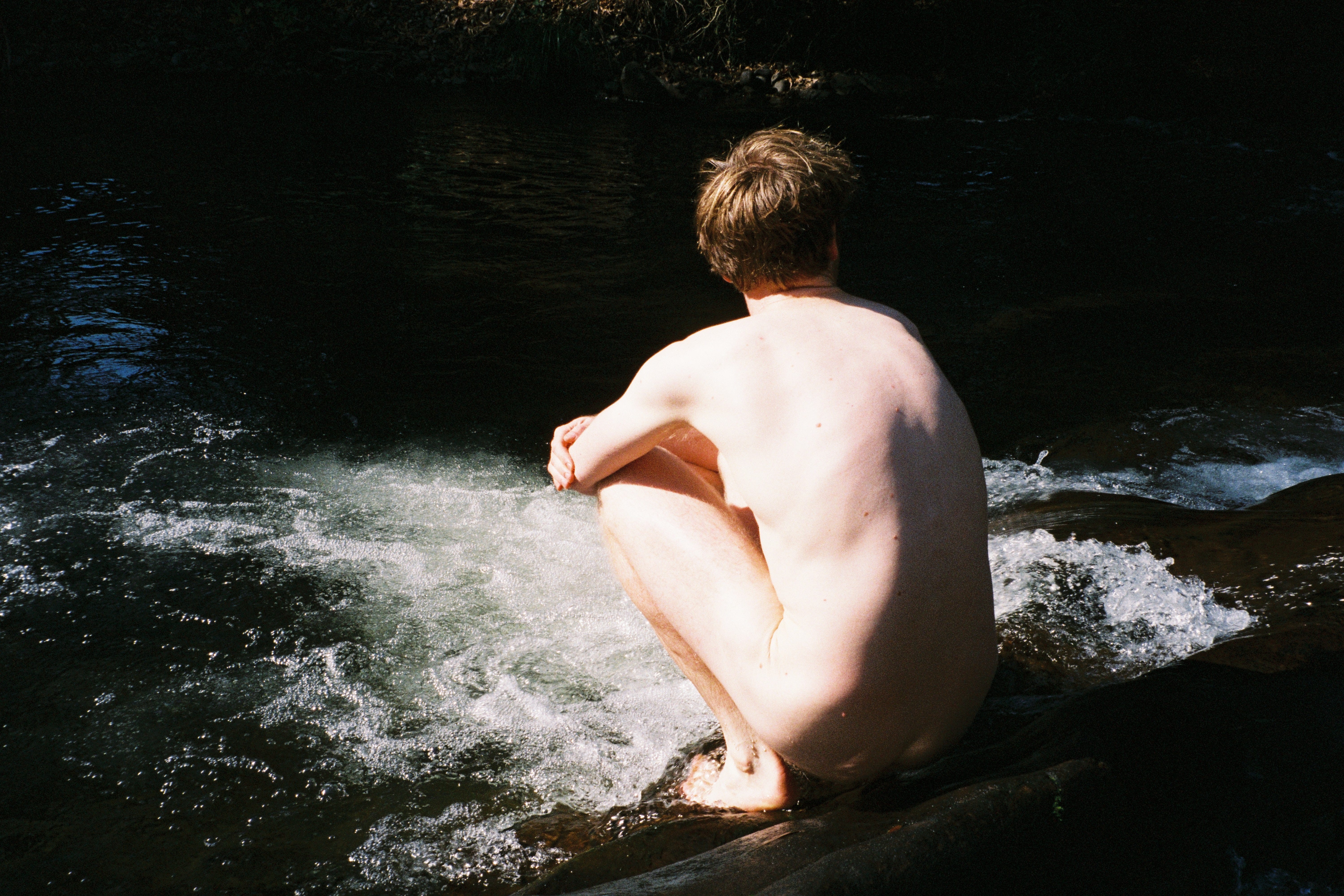
We barely had to work because our life was so cheap. We’d finish early or take days off and head to the river or a creek, swimming all day, bringing our dog and watching her bound after kangaroos. We swam naked under waterfalls and lay on hot granite rocks, reading and listening to music through our speakers. On weekends, we’d throw a tent in the back of the car and head to the mountains to hike and camp.
My parents came to see us, and walking into town to buy a watermelon, I remember telling Dad how much I’d needed this — how the city had ground me down, how the year before we left had been traumatic. I told him I could feel life in me again.
The summer dragged on endlessly, and slowly our disillusionment started to take over.
Drought gripped us. Heat cracked the soil, and our garden began to wilt. Every Thursday night, a group of us met at the pub, a sad fan whirring above us, doing its best but never enough. We sat there sweating, bleak. This heat was unprecedented. There were bushfires fucking everywhere — including here.
It was the hottest summer on record. But what does that mean when the previous summer held the same title — and the one before that? A collective panic overtook us. One friend was convinced boomers had already indentured us to clean up their mess, while they kicked back in climate controlled homes. The world burned while they tapped out.
And the world was burning. We were blanketed in smoke for months, the sun a pale yellow blur in the sky. Every morning we would wake to find a thin layer of ash had settled on the plants and windscreen of the car. My throat was constantly sore, and I developed a hacking cough. The news said pollution levels were 300 times what was considered healthy, that we should stay inside.
It was thick, like a toxic humidity. Smoke clung to everything — our clothes, our bedding, our skin. I’d kiss A, lick her shoulders, and along with the salty tang of sweat, I’d taste smoke. We lay in our bed at night, and rather than sweaty sex and watching the moon from our window, like earlier in summer, instead we held hands and passed on bushfire updates.
I worried about what it was doing to our lungs. To us. But within weeks, that worry was eclipsed as the fires closed in. A firestorm enveloped us. Nearby towns were cut off, death tolls rose. We slept fitfully, waking again and again to check our phones and see where the fire was.
Local firefighters came home saying they’d never seen fires like this — the intensity of the heat, the height of the flames. Trucks were destroyed trying to escape. It felt like the end times.
We talked about leaving. What we’d do if the fires came closer.
It was like a war — and the language reflected it. The fire front. Battling the blaze. Retreat. Emergency plans.
In the end, as is often the case, it was the weather that saved us. The reprieve was brief. By March, early autumn rains arrived, extinguishing the fires and clearing the smoke.
But in that time, something had broken — and it was about to get worse. Unhinged locals set up Facebook groups, screaming about climate change hoaxes and saying anyone who talked about the link between bushfires and climate deserved to be shot.
I started wondering what we were doing here. Weird men started acting more erratically during this period. Walking through town in short shorts, talking to a friend on my phone, a man decided I was there to steal from his house. He cornered me with his car and started shouting. At another point, a woman accused A of trying to seduce her fifty-five-year-old alcoholic husband. The fires and the endless heat were driving people mad.
When the pandemic began, this latent threatening energy bubbled to the surface. A bunch of cookers “went bush,” and once, out on a run, I came across them with their guns and off-road cars. Drunk out of their heads, they started yelling at me about shooting kangaroos and anyone who supported restrictions. I’d never felt more unsure about what was going to happen to me — they were like characters from Deliverance.
At the same time, local boomers spun conspiracy theories about city people coming up and stealing groceries. Young people everywhere were suspected of fleeing cities and bringing disease with them. An atmosphere of suspicion and unease took hold. Racism in these mostly white communities spread faster than the bushfires the summer before.
Just as in the novels I loved, the mask had fallen away, and consecutive disasters unleashed the darkness underneath.
We decided it was time to move back. It was the right decision, just as moving to the country had been the right decision in the first place. Many of our friends still live there, and I love visiting. I love the bush. I could happily spend a summer swimming in waterholes and climbing mountains.
They all have kids now. Much of the hope and excitement of those early days is gone. But they’ve made a life.
I learned in those years that I need to be in the city. I need the melee of people — the music, the food, the bike paths, the public transport. House parties on weekends, movie nights during the week.
And yet, again now, a bunch of friends are talking about moving to a beachside town. They’re sick of the city and want more space, a quieter life. Life feels harder than it used to be — rents are fucked, redundancies are everywhere, and freelance and contract work has been decimated by AI.
I don’t want them to leave. I think it should be illegal for friends to live more than ten kilometres away from me.
But I’m excited for them to have this adventure. And I’m looking forward to visiting, listening to their stories as they uncover the sinister underbelly of whatever town they end up in.
Gosh just beautiful
i want to be you when i grow up!!!!11
i could never spend more than one week in countrysides, its too quiet, i need the constant beeping, shouting, crying, random bangs in the background of my day. the silence drives me crazy. i love the chaos too much for my own good. also this was insanely well written. please more posts in this voice pleasepleaseplease